






Psychological Benefits of Body Armor and Tactical Gear in High-Stress Situations

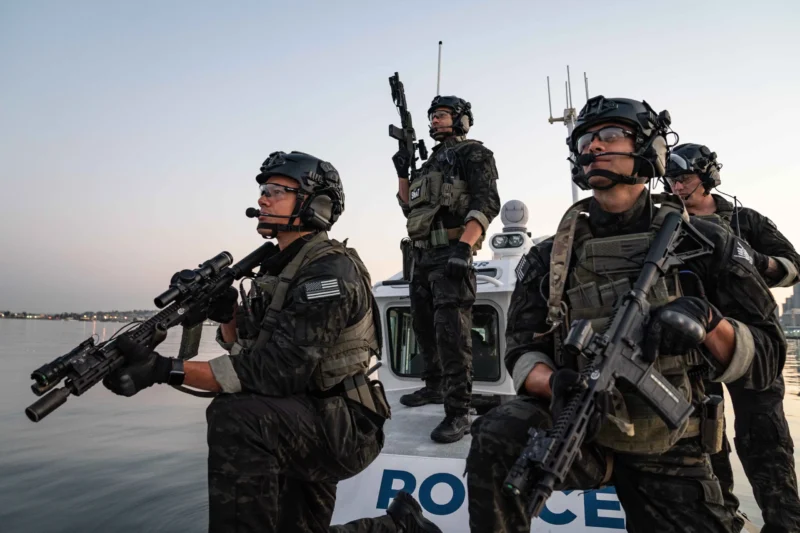
When lives are on the line, tactical equipment does more than stop bullets — it shapes how the mind responds under pressure. Whether you are a law enforcement officer, military professional, or civilian first responder, the right body armor and tactical gear create measurable psychological advantages that improve decision-making, reduce anxiety, and sustain performance when it matters most.
Research from the U.S. Substance Abuse and Mental Health Services Administration (SAMHSA) confirms that between 5.9% and 22% of first responders develop psychological trauma from repeated exposure to high-stress incidents. Understanding how properly fitted, NIJ-certified protective gear mitigates these risks is no longer optional — it is a professional responsibility.
?️ Gear built for high-pressure performance: Browse Chase Tactical NIJ-Certified Body Armor — trusted by law enforcement and military professionals nationwide.
Key Psychological Benefits of Wearing Tactical Gear
Sense of Control and Reduced Anxiety
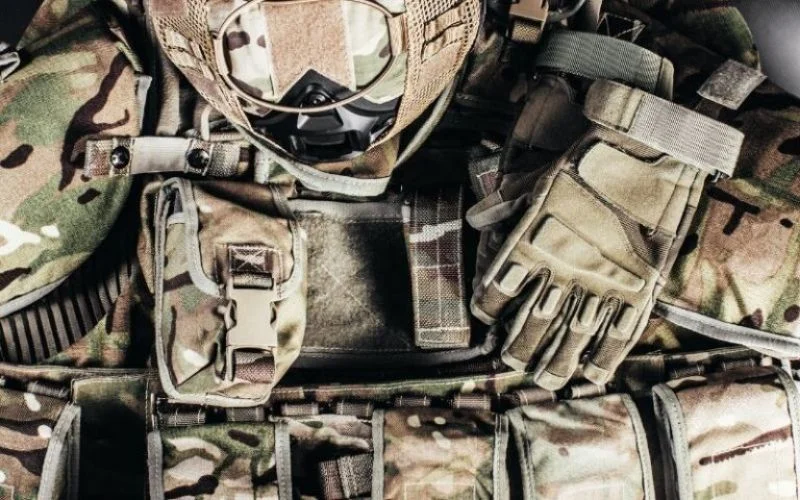
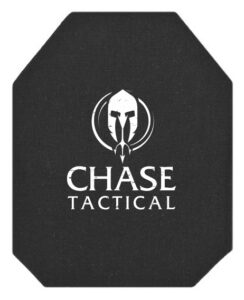
Chaotic, life-threatening environments trigger the brain’s threat-response circuitry, flooding the body with cortisol and adrenaline. Wearing body armor with verified NIJ certification provides a concrete, evidence-based reason for the brain to dial down the threat signal. NIJ Level III and Level IV plates, for example, are laboratory-tested to stop rifle-caliber threats — a known performance baseline that replaces uncertainty with verified protection. Professionals who understand exactly what their armor can stop report significantly lower pre-incident anxiety than those who are uncertain about their gear’s capabilities.
? Know what your armor stops: Shop NIJ-Certified Level III & Level IV Hard Armor Plates — rated, tested, and built for the field.
Gear Familiarity and Reduced Cognitive Load Under Stress
Under acute stress, fine motor skills degrade, visual processing narrows, and complex decision-making becomes impaired. Tactical equipment that is ergonomically designed for stress-state use — intuitive buckle systems, accessible MOLLE pouches, low-profile plate carriers — reduces the cognitive burden placed on an already-taxed nervous system. Gear that “disappears” during a high-threat situation is gear that lets the operator think.
This is why Chase Tactical designs plate carriers with modular MOLLE webbing and streamlined adjustment systems — because gear that requires conscious attention during a critical moment is a liability, not an asset.
Desensitization, Emotional Regulation, and the Role of Training
Repeated exposure to high-stress scenarios while wearing tactical gear gradually recalibrates the nervous system’s baseline threat response. This is the foundation of stress inoculation — the principle behind elite military and law enforcement training programs. When gear is worn consistently during realistic scenario training, it becomes a psychological anchor for calm, competent response. Over time, donning body armor triggers a trained cognitive state: focused, alert, professional — rather than panicked.
The risk of emotional detachment and burnout remains real, particularly for personnel with high exposure to incidents. This is why leading agencies now pair rigorous gear standards with structured mental health support programs — recognizing that the best armor in the world does not substitute for peer support and professional psychological resources.
Hypervigilance: Managing the Double-Edged Benefit
Tactical gear conditions the body and mind for heightened situational awareness — a critical survival advantage in active-threat environments. Left unmanaged over long operational periods, however, this same hypervigilance can manifest as chronic stress and sleep disturbance off-duty.
The solution is structured decompression: deliberate off-duty protocols that signal the nervous system to shift out of operational mode. Removing gear at the end of a shift, physical training, and structured breathing exercises are evidence-backed tools that help high-exposure professionals maintain the boundary between duty performance and recovery. Understanding the psychological demands of high-stress tactical situations is the first step toward managing them effectively.
Team Cohesion and Shared Identity

Uniform tactical gear does more than standardize equipment — it builds unit identity. Personnel operating with the same plate carriers, armor ratings, and accessory layouts share an implicit understanding of each other’s capabilities and load configurations. This shared context reduces inter-team communication overhead during coordinated operations and reinforces the psychological bonds of mutual accountability — the knowledge that teammates are equally protected, equally prepared.
Choosing Body Armor That Supports Mental as Well as Physical Performance
Not all armor delivers equal psychological benefits. Gear that is too heavy, poorly fitted, or thermally uncomfortable creates a constant physical distraction that compounds cognitive stress rather than relieving it. When selecting body armor for professional use, consider the following factors through both a protection and a performance lens:
NIJ Certification: Verified protection standards eliminate uncertainty — the single biggest source of pre-incident anxiety. Always verify that hard armor plates carry current NIJ 0101.06 or NIJ 0101.07 certification.
Weight and Mobility: Multi-hit ceramic and UHMWPE composite plates deliver Level III+ and Level IV protection at significantly reduced weight compared to legacy steel, reducing physical fatigue that compounds stress over extended operations.
Carrier Fit and Adjustability: A plate carrier that fits correctly disappears during operation. One that chafes, restricts breathing, or shifts under movement becomes a persistent stressor. Correct sizing and a low-profile carrier profile are as important as the plates they hold.
? Browse Chase Tactical’s full armor lineup: NIJ-Certified Hard and Soft Body Armor | Plate Carriers — engineered for operators who need both protection and performance.
Conclusion
The psychological benefits of body armor and tactical gear are inseparable from their physical ones. Verified protection reduces pre-incident anxiety, familiarity through training builds cognitive resilience, and well-designed gear lightens the mental load during the moments that matter most. For law enforcement, military, and emergency response professionals, investing in correctly certified, well-fitted body armor is not just a physical safety decision — it is a mental performance investment.
Pairing high-quality protective equipment with structured training, proper mental health support, and intentional recovery protocols gives tactical professionals the best possible foundation — not just for surviving high-stress incidents, but for sustaining long-term operational effectiveness and personal well-being.
Frequently Asked Questions
Does wearing body armor actually reduce anxiety in tactical situations?
Yes — verified protection eliminates uncertainty, which is a primary driver of pre-incident anxiety. Professionals who know the exact rated performance of their NIJ-certified armor report greater composure and faster decision-making during live incidents. The effect is strengthened by consistent training in full kit, which conditions the nervous system to associate gear with calm, competent response.
What is the best body armor for law enforcement stress management?
NIJ-certified hard armor plates rated Level III or Level IV, worn in a correctly fitted, low-profile plate carrier, provide the most verified protection baseline, which directly reduces the cognitive threat-assessment burden. Lightweight ceramic or composite plates reduce physical fatigue over extended wear, which compounds into reduced overall stress. Browse Chase Tactical’s Level III and Level IV rifle armor plates for law enforcement-rated options.
How does long-term tactical gear use affect mental health?
Long-term exposure to high-stress tactical environments carries real mental health risks including PTSD, burnout, and chronic hypervigilance — regardless of gear quality. Research indicates that between 5.9% and 22% of first responders develop psychological trauma over their careers. Structural mental health support, peer programs, and deliberate off-duty decompression protocols are essential alongside high-quality protective equipment.
Does gear familiarity improve performance under stress?
Significantly. Stress degrades fine motor skills and narrows cognitive bandwidth. Operators who train regularly in their full kit develop muscle memory for gear access and adjustment, reducing the cognitive load during live situations. This is why consistent training in operational gear — not just wearing it on duty — is a recognized performance and psychological preparedness strategy.
What are the long-term psychological risks of tactical equipment use?
Repeated exposure to high-threat environments can lead to desensitization, emotional detachment, and increased PTSD risk over time. Protective gear mitigates physical risk but does not replace psychological support systems. Regular mental health assessments, structured debriefs, and peer support are the evidence-backed complements to quality protective equipment.