







How To Build A Military-Grade Bug-Out Bag


When disaster strikes or an emergency arises, having a well-prepared bug-out bag can mean the difference between life and death. Preparedness is ingrained in the training and mindset of those in the military. A military-grade bug-out bag is not just about having the right items but ensuring they are strategically chosen for efficiency and survival in the toughest conditions. This Chase Tactical guide will help you build a bug-out bag, ensuring you’re prepared for any scenario.
Bug-Out Bag Essentials for 72 Hours
Military operations often require quick mobility and the ability to sustain oneself independently. A 72-hour Bug Out Bag ensures essential tools and supplies are available to remain operational in various scenarios, from natural disasters to combat situations. This preparedness enhances the capability to perform missions without relying on external resources, which might be unavailable during emergencies.
1. The Backpack: The Backbone of Your Bug-Out Bag
The backpack is the foundation of any Bug Out Bag. It must be exceptionally durable, spacious, and comfortable for extended wear. The Chase Tactical Large Hydration Pouch is an exemplary choice due to its robust construction and ergonomic design. This backpack features high-denier nylon material that resists wear and tear, multiple compartments for efficient organization, and padded straps for comfort during long treks.
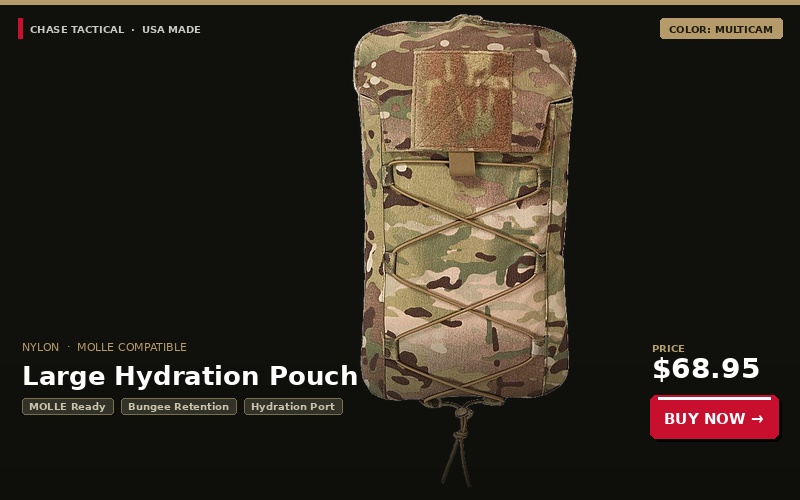
When selecting a backpack, consider capacity, durability, and comfort. High-quality backpacks should have ample space to store essential items while distributing weight evenly to avoid fatigue. The Chase Tactical Large Hydration Pouch meets these criteria, making it an ideal choice for a military-grade Bug Out Bag.
For a full breakdown of what to look for, see our tactical backpack guide, or if you want something more compact, our guide on features to look for in a small tactical backpack covers the essentials for lighter setups.
2. Make a Gear List: Organize and Plan
What should you have in that Bag? The first step to implementing emergency preparedness is having a thorough gear list. From a B.O.B., a detailed list helps you remember important items and keeps your supplies checked and turned over so they stay fresh and useful. Label your gear by function, such as shelter, food, water, and tools, so you can find it quickly during an emergency.
a) Water: The Essence Of Life
Water is the most critical resource in any survival scenario. Having reliable methods for carrying, filtering, and purifying water is paramount. A durable water bottle or hydration bladder rated at 2–3 liters minimum is your baseline carry. This ensures that you can maintain hydration and prevent dehydration, which can impair cognitive and physical abilities. Durable, BPA-free water bottles and a reliable hydration system, such as the Chase Tactical Large Hydration Pouch, are essential for a Bug Out Bag.
Portable filters such as the Sawyer Mini or LifeStraw are indispensable to make natural water sources safe to drink. These filters are compact, lightweight, and effective at removing harmful bacteria and protozoa.
b) Food: Sustenance For Survival
Maintaining energy and stamina is crucial when high-calorie, non-perishable food items are essential. Meals Ready-to-Eat (MREs) are ideal due to their convenience and nutritional value. Pack enough rations for a minimum of 72 hours: roughly 1,800–2,400 calories per day. Energy bars, freeze-dried meals, and pull-tab canned goods are all viable options.
Storing food in waterproof containers protects it from moisture and contamination. Regularly rotating your food supply ensures that it remains fresh and ready for consumption when needed. To maintain optimal energy levels and well-being during a 72-hour emergency, it is essential to carefully select and store non-perishable, high-calorie food items.
c) Shelter: Protection From The Elements
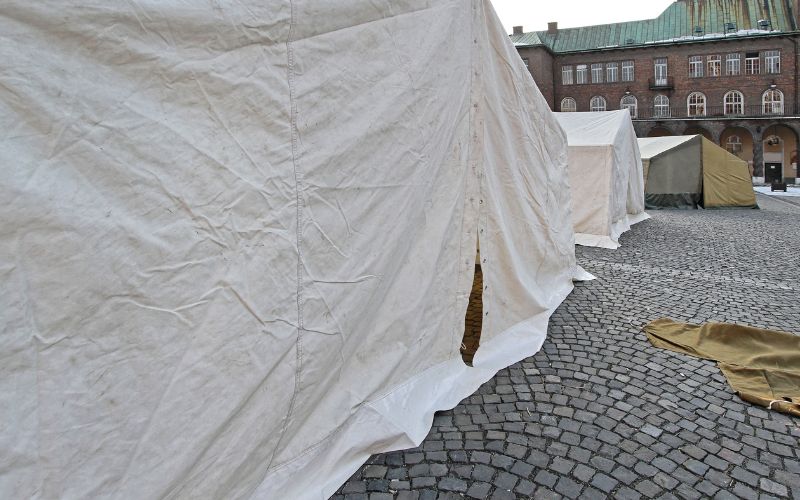
A reliable shelter is essential to protect from harsh weather and ensure personal security. Lightweight, durable options like a tarp or a plastic tube tent are ideal, as they can be set up quickly and provide adequate protection from the elements. Remember to bring a sleeping bag rated for cold temperatures, and consider carrying an emergency bivvy sack for extra warmth.
d) Rope or Cordage: Versatile and Essential
A rope or cordage, such as a paracord, is one of the most versatile items in a Bug-Out Bag. It has many uses that will make it an essential gear for law enforcement, the military, or anyone preparing for emergencies. Besides some of its more famous uses, like tensile strength- the ability to bear quite a weight, while remaining light and portable- two of the most important uses of rope are for setting up shelters. You can also use it to make temporary tents or tarps to ensure vital protection against the elements in survival situations. You can also use it to tether your gear around your pack or to a tree so that very important equipment will not be lost and damaged.
3. Fire: Warmth And Signaling
Fire is crucial for warmth, cooking, and signaling for help in survival situations. Having multiple fire-starting methods in your Bug Out Bag increases your chances of successfully starting a fire under various conditions. Equip your bag with butane lighters, waterproof matches, and a ferro rod. Pre-packaged tinder or cotton balls soaked in petroleum jelly can make starting a fire easier, even in adverse conditions.
Knowing and practicing different fire-starting techniques is essential. This knowledge can be life-saving, ensuring you can always create a fire when needed.
4. First Aid: Immediate Medical Care
A well-equipped medical kit is vital for treating injuries and preventing infections. Chase Tactical Medical Kits offer comprehensive solutions designed for demanding use, ensuring you have the necessary supplies to handle various medical emergencies. Your kit should include various bandages and dressings, antiseptics, pain relievers, personal prescriptions, and essential tools like tweezers and scissors. A tourniquet is also crucial for controlling severe bleeding.
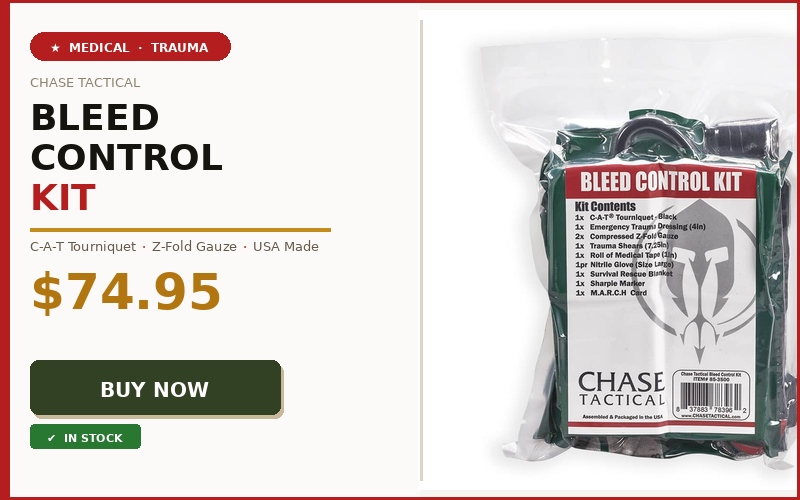
This preparedness can mean the difference between life and death in a survival situation, especially when professional medical help is not readily available.
5. Tools: Multi-Purpose Equipment
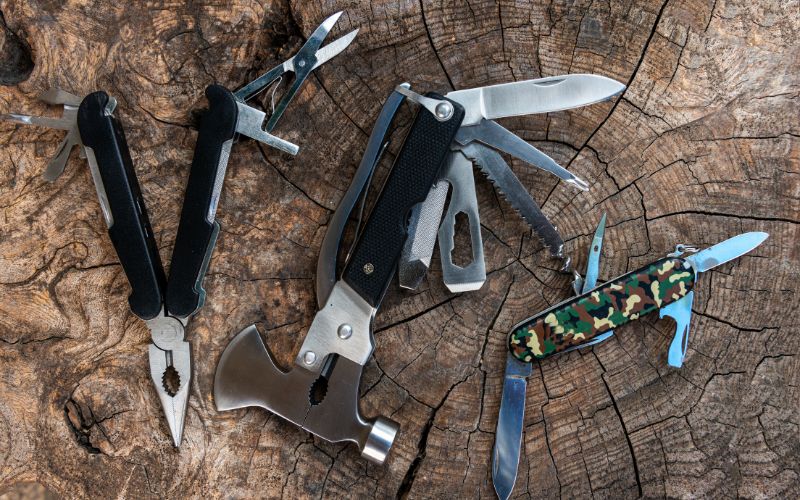
Multi-purpose tools provide versatility and functionality in survival situations. A multitool with pliers, knives, screwdrivers, and a saw is invaluable for tasks ranging from repairs to building shelters. A dedicated fixed-blade knife complements it for heavier cutting tasks. A quality flashlight or headlamp with extra batteries is non-negotiable; navigation, camp setup, and signaling all depend on reliable light. A headlamp is preferable for hands-free operation. Complete your tools with a folding shovel for digging and duct tape for repairs and improvised first aid.
Core tools checklist:
- Multitool (pliers, blade, screwdriver, saw)
- Fixed-blade knife — full-tang, 4–6 inch blade
- Folding shovel / e-tool
- Tactical flashlight or headlamp + spare batteries
- Duct tape (travel roll)
6. Clothing: Adaptability To Conditions
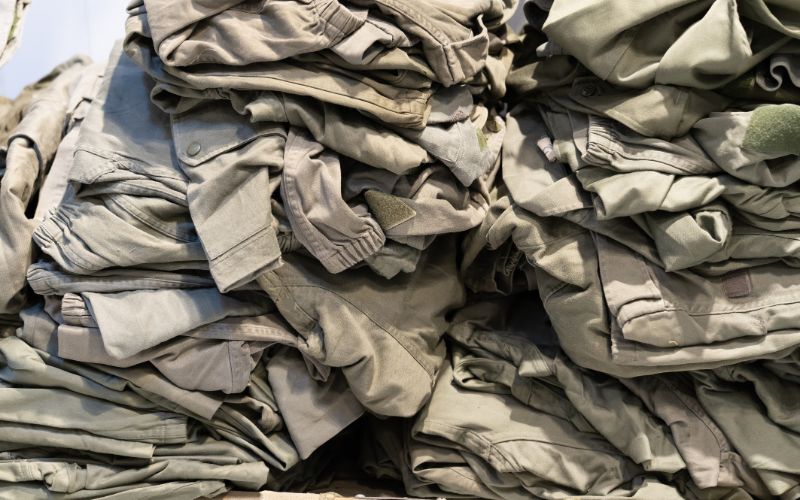
Your clothing is your first line of defense against the elements. Military-grade clothing should be durable, versatile, and suitable for various weather conditions. Base layers should be moisture-wicking and quick-drying to manage sweat and maintain comfort. Layers like fleece or down jackets provide warmth in cold conditions. Waterproof and windproof outer layers protect against harsh weather.
Clothing and footwear recommendations:
- Base layer: Moisture-wicking synthetic or merino wool — avoid cotton entirely
- Mid layer: Lightweight fleece or insulated jacket
- Outer layer: Waterproof, windproof shell with taped seams
- Boots: Durable tactical boots — break them in before storing in your bag
- Gloves: Lightweight tactical or work gloves for grip and hand protection
- Extra socks: Minimum 2 spare pairs, merino wool or synthetic
- Headwear: Beanie for cold weather, boonie hat for sun exposure
Pack clothes using compression dry bags to save space and keep gear waterproof regardless of conditions.
7. Communication: Staying Connected
Maintaining communication can be crucial in a bug-out situation. Equip yourself with two-way radios for short-range communication with your team, an emergency radio for weather alerts and updates, and visual signaling tools like a signal mirror and a whistle. Establishing a communication plan with your group and regularly testing your communication devices ensures they work when needed.
Effective communication helps coordinate efforts, relay important information, and call for help if necessary. In a survival situation, communicating effectively can significantly affect the outcome, so it’s important to protect your communication device in the Chase Tactical Molle radio pouch.
8. Navigation: Knowing Your Route
Knowing where and where you’re going is crucial in any survival situation. Reliable navigation tools include a map and compass, which are not dependent on batteries and can be used in various conditions. A GPS device can be useful, but it should be one of many navigation tools. A quality compass with a sighting mirror and a pace counter helps track the distance traveled on foot.
Learning to read a map, using a compass effectively, and familiarizing yourself with multiple routes ensure you can navigate safely and efficiently in unfamiliar terrain. This knowledge is vital for reaching safety and avoiding dangerous areas.
Military Bug Out Bag Gear Checklist
Use this as your packing reference. Every item listed has a specific functional purpose — a well-curated bag always beats a heavy one.
| Category | Item | Notes |
| Water | Hydration system / water bottle (2–3L) | BPA-free; bladder preferred |
| Water | Water filter (Sawyer Mini, LifeStraw) | + backup purification tabs |
| Food | MREs or freeze-dried rations (72 hrs) | 1,800–2,400 cal/day |
| Food | Energy bars / compact snacks | High-calorie, no-cook options |
| Shelter | Tarp or tube tent | Minimum 8×10 ft tarp |
| Shelter | Emergency mylar blanket | Retains up to 90% body heat |
| Shelter | Sleeping bag | Rated for expected low temps |
| Shelter | Paracord (50–100 ft) | 550-lb tensile strength |
| Fire | Butane lighter ×2 | Store in waterproof bag |
| Fire | Waterproof matches | Backup to lighter |
| Fire | Ferro rod | Works when wet |
| Fire | Tinder (cotton balls, fire starters) | Pre-packed or DIY |
| First Aid | IFAK / trauma kit | Tourniquet, gauze, bandages |
| First Aid | Personal medications | 30-day supply minimum |
| First Aid | Antiseptic, pain reliever, tweezers | Standard OTC additions |
| Tools | Multitool | Pliers, blade, screwdriver |
| Tools | Fixed-blade knife | Full-tang, 4–6 inch blade |
| Tools | Folding shovel / e-tool | Digging, sanitation, utility |
| Tools | Flashlight or headlamp + batteries | Headlamp preferred (hands-free) |
| Tools | Duct tape | Repairs, improvisation |
| Navigation | Topographic map (local area) | Laminated or waterproof sleeve |
| Navigation | Compass | Baseplate with sighting mirror |
| Navigation | GPS device (optional) | Supplement only — batteries die |
| Communication | Two-way radios | Charged batteries + spares |
| Communication | Emergency hand-crank radio | Weather alerts + AM/FM |
| Communication | Signal mirror + whistle | Non-battery signaling |
| Clothing | Moisture-wicking base layer | Avoid cotton |
| Clothing | Insulating mid-layer | Fleece or down jacket |
| Clothing | Waterproof outer shell | Windproof, taped seams |
| Clothing | Tactical boots | Break in before storing |
| Clothing | Gloves | Lightweight tactical or work |
| Clothing | Extra socks ×2 pairs | Merino wool or synthetic |
| Hygiene | Hand sanitizer | 60%+ alcohol |
| Hygiene | Wet wipes / biodegradable soap | Multi-use |
| Hygiene | Toothbrush + toothpaste | Travel size |
| Hygiene | Toilet paper (waterproof bag) | Compact roll |
| Hygiene | Foot powder | Blister and fungal prevention |
| Documents | ID copies + cash (small bills) | Waterproof bag |
| Documents | Emergency contacts list | Physical copy — not just phone |
| Documents | Insurance cards + medical info | Include blood type |
| Power | Power bank (charged) | 10,000 mAh minimum |
| Power | Spare batteries (AA / AAA) | Match your device needs |
Most Common Bug-Out-Bag Essentials People Usually Forget
- Personal Identification & Copies of Important Documents
- Cash in Small Bills
- Extra glasses or Contact lenses
- Hygiene Items: toothbrush, hand sanitizer, etc.
- Extra Batteries (AAA, AA, etc.)
- Notepad and Pen
- Emergency mylar blanket — often packed for day hikes but left out of long-term bug out bags
- Flashlight or headlamp — most people assume their phone covers this; phones die under sustained use
- Medications and prescriptions list — easy to overlook in a non-emergency mindset, critical when needed
Conclusion
Building a military-grade Bug Out Bag requires careful planning and the right gear. By following the above guidelines and using high-quality products like the Chase Tactical Large Hydration Pouch and Chase Tactical Medical Kits, you can ensure you are prepared for any emergency. The key to survival is having the right equipment and knowing how to use it effectively. Stay prepared, stay safe, and be ready for whatever comes your way.
Frequently Asked Questions
What type of stuff should go into a military-grade bug-out bag?
When building your bug-out bag, it’s crucial to prioritize the essentials—think survival duty, not just comfort. Start with a firestarter, water filter, and compact first-aid kit. Include high-calorie food rations, navigation tools, and multi-tools. Add durable pouches for organization. Everyone in your family should have a custom bag based on their needs. Don’t forget: a well-built bag is your safety net in any country or situation.
What size should a bug-out bag be?
Size matters when choosing the right bug-out bag. A 30-50 L backpack is ideal for portability versus storage capacity. The bags must have sturdy straps, since you will be walking for hours or even days. You can also include lightweight, compact instruments, such as a Bluetooth radio or an FM radio receiver, to keep you connected to emergency broadcasts and ensure the volume is up for alerts.
What is it called a bug-out bag?
The term “bug-out bag” is perhaps a derivative of the “bail-out bag” used by military aviators for emergency preparedness. During the Korean War, the U.S. Army had already designated alternate defensive positions so units could bug out swiftly if they needed to withdraw. Today, every person must have a bug-out bag packed with everything necessary to handle sudden emergencies.
How much does a military bug-out bag weigh?
A fully packed military bug-out bag typically weighs around 15–17 kg (33–37 lbs). For civilian use, a more sustainable target is 10–15% of your body weight — roughly 15–25 lbs for most adults. Beyond that threshold, your speed and endurance drop significantly. Audit your bag regularly and remove anything that doesn’t serve a specific, tested function.