








Night Vision Compatibility: What to Consider for Your Helmet Rig


When considering a helmet rig for night vision gear, ensure every component works seamlessly together. Check that your helmet’s shroud matches the NVG mount type, and prioritize lightweight, durable materials for mounts. Rail systems should accommodate all needed accessories. Comfort, protection, and regular maintenance are essential for optimal performance.
Ready to upgrade your tactical setup? Explore our ballistic helmets and accessories designed for seamless night-vision integration and maximum operational effectiveness.
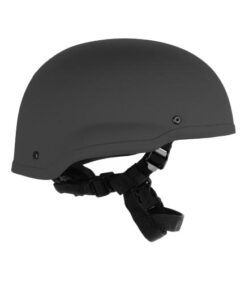
Understanding Helmet Mounting Systems
Understanding the key components is essential for effectively using night vision gear. The shroud is the bracket attached to the front of your helmet, crucial for securing NVG mounts. You’ll encounter various shroud types like three-hole, one-hole, and USGI MICH. Compatibility between your helmet’s shroud and NVG mount is critical—mismatches hinder secure attachment.
Key components include the helmet, shroud, helmet mount, and J-arm for monoculars. Mounts offer adjustment points for eye relief and tilt, enhancing comfort. High-quality mounts from Wilcox and Norotos are industry standards with unique features. Break-away and dovetail mounts ensure safety and reliability. Always verify compatibility to optimize your setup.
Choosing the Right NVG Mounts and Arms
Understanding helmet mounting systems lays the foundation for selecting the right NVG mounts and arms. Focus on compatibility and verify that mounts support devices like the PVS-14. Dovetail mounts offer better stability and modularity than bayonet mounts, making them ideal for modern setups. Durable choices like Wilcox L4 G24 and Norotos RHNO II deliver reliability.
Lightweight materials such as aluminum and titanium reduce user fatigue during extended operations. Look for mounts with height, offset, and eye relief adjustments to enhance functionality. Single-handed deploy mechanisms and breakaway safety features ensure quick, quiet operation while preventing accidental detachment. Consult compatibility charts to avoid attachment issues and ensure your gear performs optimally in the field.
Integrating Accessories With Helmet Rails
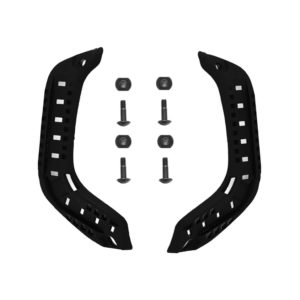
When integrating accessories with helmet rails, consider the compatibility of various rail systems to maximize versatility. Understanding different rail types is essential for seamless integration. Common systems include ARC, M-LOK, and Picatinny, each offering unique mounting options. Adapters expand gear flexibility, enabling cross-compatibility between systems.
ARC Rails are popular in military helmets with slide-and-lock Picatinny adapters. M-LOK Rails are lightweight with extensive accessory options. Ensure rails are made from robust materials, such as reinforced polymers, for reliability. Choose the right combination to enhance your helmet rig’s functionality.
Balancing Suspension and Comfort
Balancing suspension and comfort in night vision-compatible helmets requires focusing on padding systems and weight distribution. Choosing memory foam or adjustable padding reduces pressure points and adapts to your head shape. A suspension system with straps around the head and chin ensures stability when using helmet-mounted devices. Balancing NVG weight with counterweights ensures stability and reduces neck strain.
Padding System Choices
Choosing the right padding system involves balancing suspension and comfort for a secure fit. You need a system that prevents pressure points and allows airflow. Modular pad systems let you customize fit by layering pads to conform to your head shape. Maintain a standoff distance of about 1.3 cm between your head and the helmet shell for optimal protection. Choose foam, gel, or hybrid materials for cushioning and heat dissipation. Vented liner systems reduce heat buildup during extended use, enhancing comfort and performance.
Weight Distribution Strategies
Effective weight distribution strategies are essential for helmet rig performance and comfort. Place counterweights opposite your NVG mount near the rear shell to balance the helmet and reduce neck strain. Adjustable counterweights let you fine-tune the setup using batteries or strobes as functional counterweights. Aim for equal front-to-back weight initially, then adjust for comfort. Use modular weights for precise tuning and ensure your suspension system can accommodate the added weight. Consider all mounted accessories to maintain balance throughout operations.
Evaluating Helmet Types and Protection Levels

Understanding helmet types and protection levels is vital for night vision compatibility. Evaluate materials and protection levels to ensure safety and comfort. Ballistic helmets offer NIJ Level IIIA protection using Kevlar, weighing 3.1 to 4.2 lbs, with handgun and fragmentation protection. Advanced Combat Helmets (ACH) and Enhanced Combat Helmets (ECH) use lighter, stronger materials for superior protection.
Bump helmets are lightweight and ventilated but offer no ballistic protection; they are suitable only for impact mitigation. Helmet shroud compatibility with NVG mounts is crucial—verify using manufacturer charts. Choose based on operational requirements and protection level needs.
Assessing Operational and Environmental Factors
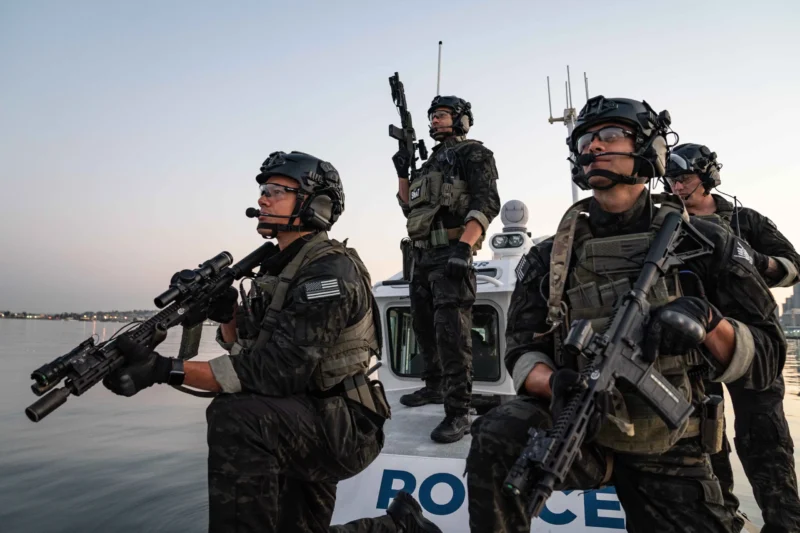
When considering night vision compatibility, focus on mount durability, environmental resistance, and impact protection. Aerospace-grade aluminum alloys offer an optimal strength-to-weight ratio and can withstand extreme temperatures (-60°F to +160°F). Regularly inspect mounts for wear and corrosion. Breakaway mechanisms protect against high-stress impacts, while waterproofing prevents moisture damage to electronics.
High IP ratings protect against rain and immersion, while dust resistance maintains lens clarity in arid environments. Multi-layer padding reduces the risk of traumatic brain injury by absorbing impact energy. Ensure your helmet complies with NIJ and MIL-STD standards. Understanding tactical equipment maintenance keeps your gear reliable in all operational scenarios.
Ensuring Component Compatibility and Security
When setting up a night vision system, verifying component compatibility and security is essential. Ensure your helmet shroud matches your mount type—most modern helmets have a three-hole shroud for broad compatibility. Use brands like Wilcox and Norotos for industry-standard secure attachment. Check the mount compatibility with the helmet rails to prevent detachment.
Consider reliable adapters for mixed brands to maintain secure integration. Keep ergonomics and balance in mind—improper setups cause fatigue. Understanding the principles of lightweight military gear helps optimize your setup for extended operations.
Frequently Asked Questions
How do I know if my helmet fits correctly with NVGs?
Ensure your helmet fits snugly without shifting when NVGs are mounted. Adjust the suspension system and straps for stability, verify shroud and mount compatibility, and balance weight with counterweights to prevent neck strain.
What materials are best for NVG mounts?
Aerospace-grade aluminum and titanium offer the best strength-to-weight ratio. These materials provide durability, corrosion resistance, and the ability to withstand extreme temperatures without adding excessive weight to your setup.
Can I use different brands for mounts and helmets?
Yes, but verify compatibility first. Use reliable adapters to ensure secure integration. Stick to industry standards from Wilcox and Norotos for the best results, and always test the setup before field use.
How often should I inspect my NVG mount?
Inspect before each use for cracks, corrosion, or loose components. Perform deep maintenance monthly, including lubrication and wear checks. Regular inspections prevent failures during critical operations.
Conclusion
When setting up your helmet rig for night vision gear, prioritize compatibility and comfort. Ensure your helmet’s shroud matches your NVG mount type and choose mounts made from durable, lightweight materials like aerospace-grade aluminum.
Check that the helmet’s rail systems work with your accessories and that the suspension and padding offer both comfort and protection. Regular maintenance is essential for performance.
By considering these factors, you’ll ensure a secure and efficient setup for your night operations. Invest in quality components and proper integration to maximize your tactical effectiveness in low-light environments.