







Space Force Shatters Record: Victus Haze Mission in 16 Hours

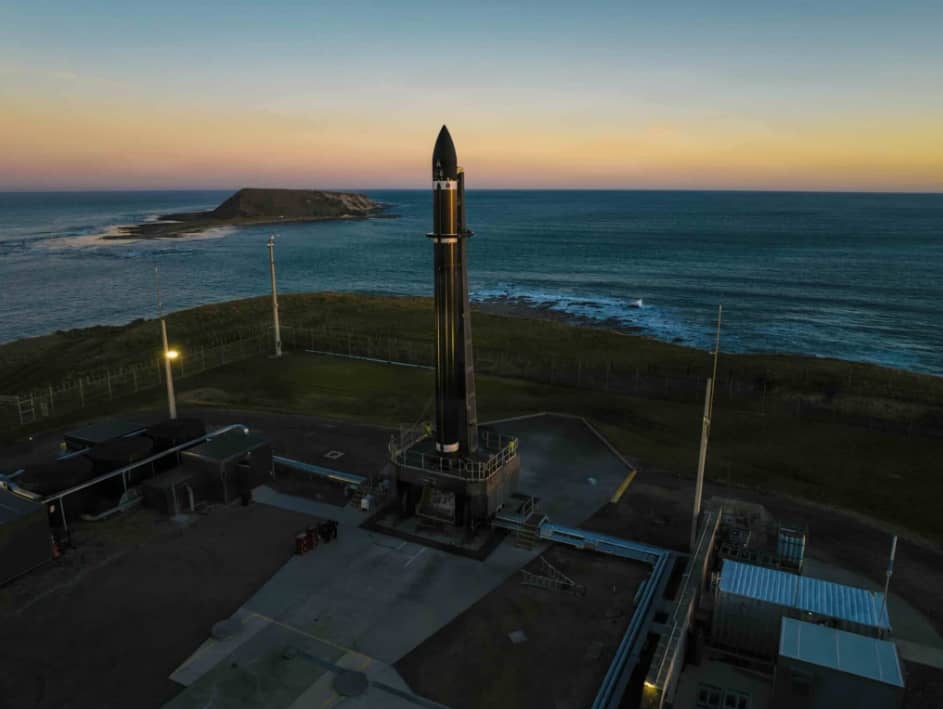
Rocket Lab successfully launched a military payload into orbit on Friday, less than 17 hours after receiving orders from the U.S. Space Force (USSF) marking another step forward in the service’s effort to rapidly deploy satellites.
The Space Force called, and we launched. From call up to lift-off in just 16 hours 42 minutes 🎯 Rocket Lab has made history - the fastest response time ever for a @USSF_SSC Tactically Responsive Space mission. pic.twitter.com/yJyhFxbpT3
— Rocket Lab (@RocketLab) June 22, 2026
In a statement, Rocket Lab said its Electron rocket launched the Pioneer satellite into low-Earth orbit early on June 19, just 16 hours and 42 minutes after receiving launch orders from the Space Force, breaking the USSF’s previous record of 27 hours.
“With launch complete, the team will now complete on-orbit checkout and vehicle commissioning, after which RPO operations begin,” Space Systems Command said in a statement on Monday. “During these operations, the teams operating both the Rocket Lab and the True Anomaly space vehicles will conduct a variety of scenarios, demonstrating space domain awareness and characterization capabilities, each in dynamic engagements with the other.”
Tactically responsive space launch 🤝 Commercial satellite with RPO capability
— Rocket Lab (@RocketLab) June 23, 2026
Rocket Lab is the first and only company to deliver both for a Tactically Responsive Space (TacRS) mission by the @USSpaceForce and @USSF_SSC with VICTUS HAZE.
That means we designed and built the… pic.twitter.com/M7nUyelGvk
The launch is part of the Space Force’s Victus Haze mission, which aims to reduce the time needed to deploy national security payloads.
The service’s previous rapid launch record was set in 2023, when the Victus Nox mission reached orbit 27 hours after the Space Force authorized the launch.
“Our launch-plus-spacecraft integrated mission capability is transformative for responsive space,” Rocket Lab CEO Peter Beck said in a statement. “By launching on demand with spacecraft at-the-ready we’ve shown we can secure and defend the nation’s space interests rapidly, and that’s a powerful capability for the United States and its allies.”
Space Force officials have long pursued responsive launch initiatives aimed at reducing the time required to field new satellites from years to weeks, days, or even hours. The Victus Haze mission cost was covered through a combination of government funding and private investment, totaling about $92 million.
If fully realized, the capability would allow the service to rapidly replace damaged assets or respond to hostile actions in orbit.
“This demonstration will ultimately prepare the United States Space Force to provide future forces to combatant commands for rapid operations in response to adversary on-orbit aggression,” Space Systems Command said in a statement announcing the Victus Haze mission in 2024.