








Army vs. Marine Plate Carriers: Full 2026 Comparison

Plate carriers are key tactical equipment of the Army and Marine Corps, providing protection and mobility for troops and Marines in combat. These carriers provide a base for ballistic plates that cover essential organs and a platform for other equipment, such as ammunition pouches, first aid kits, and communication equipment. While both the U.S. Army and U.S. Marine Corps use plate carriers, the configuration and requirements of their respective carriers vary depending on mission needs, comfort, and modularity. This blog compares the main differences and similarities between Army and Marine plate carriers, including their features, design aspects, and performance.
The Role Of Plate Carriers In Tactical Operations
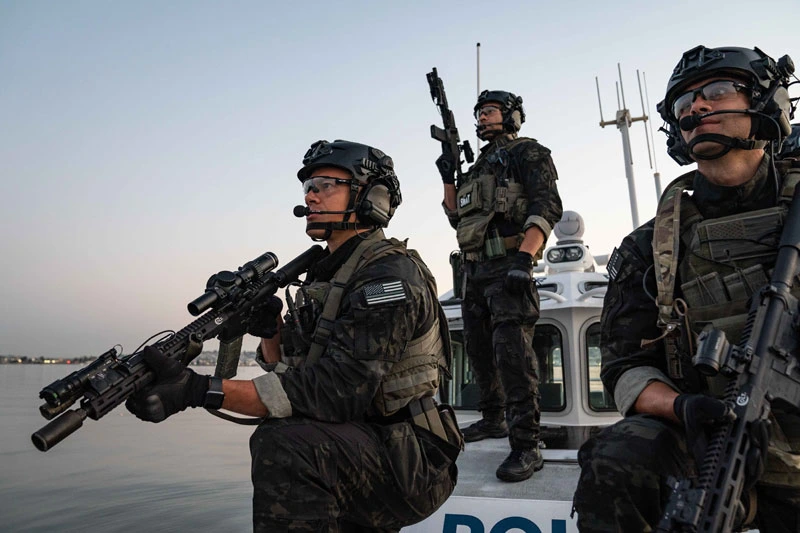
Plate carriers carry ballistic plates that absorb and stop bullets, keeping them safe in battle. They help distribute extra loads, balancing mobility and agility during prolonged operations.
Normally worn over a soldier’s uniform, plate carriers have adjustable buckles and straps for a comfortable fit. Their primary function is to safeguard the wearer against the enemy’s fire while providing sufficient mobility for combat. Plate carriers can be fitted with pouches, MOLLE webbing, and other equipment that meets the mission’s requirements.
U.S. Army Plate Carrier
The United States Army employs the Soldier Plate Carrier System (SPCS), which is intended for protection, mobility, and versatility. The SPCS’s minimalist design emphasizes these vital aspects, providing a stable base for ballistic plates and holding extra equipment.
One of the defining features of the Army’s plate carrier is its versatility. The SPCS can be designed to meet diverse mission requirements, from reconnaissance to combat and even humanitarian missions. Its versatility enables soldiers to customize their gear for special purposes.
Design and Structure
The Army plate carrier has ballistic front and rear plates to safeguard against high-speed rounds, with side plates that can be added to increase coverage. This versatility is one of its greatest assets, allowing soldiers to adjust the configuration according to mission requirements and threat levels.
Flexibility is characteristic of the SPCS. It enables soldiers to customize load-outs according to mission details, whether for combat or special operations.
Comfort and Fit
The SPCS focuses on comfort over long periods of wear, with padding in the shoulders and back to minimize pressure points. Adjustable straps across the shoulders, waist, and cummerbund provide a secure fit even under dynamic motion.
Comfort is critical for extended missions, and the Army’s emphasis on adjustability minimizes fatigue during hours of wear, making it preferred for missions involving extended engagement.
Modular Capabilities
One of the Army plate carrier’s strongest features is its modularity. MOLLE webbing is integrated so troops can mount accessories like magazine pouches, radios, and first-aid kits. This system is particularly useful for troops shouldering heavy loads, as it provides adjustable storage and accessibility.
The Army plate carrier modularity enables troops to easily change to meet changing mission requirements and environments.
U.S. Marine Corps Plate Carrier
The United States Marine Corps wears a plate carrier tailored for combat efficiency. It has a lightweight, close fit intended to accommodate speed and mobility. As with the Marine Corps plate carrier, ballistic plates are fitted, but they are even more standardized in design than the Army plate carrier. This facilitates easy donning and doffing of the gear, enabling Marines to engage quickly and without hesitation.
Marine Corps Plate Carrier Design and Structure
The USMC’s combat-optimized plate carrier features only the primary equipment for a Marine operation. Although less custom-tailorable than the Army’s, the design minimizes preparation efforts and readiness time. This is appropriate given the Marine Corps‘ focus on uniformity and how quickly it prepares for combat.
The Marine Corps’ design simplicity enables Marines to remain combat-ready with little downtime, ready to respond to threats promptly.
Comfort and Fit Of Marine Corps Plate Carrier
The USMC plate carrier has adjustable straps for a secure fit, but its design is more rigid than the Army’s. This rigidity can be useful in some combat situations, but might not provide the same comfort over extended wear.
Comfort is important, but the Marine Corps prioritizes quick engagement and efficiency, which is reflected in the design of their plate carrier. The rigidity ensures the gear stays in place during rapid movements and high-intensity combat situations.
Modular Capabilities
Though more standardized, the Marine Corps plate carrier does use MOLLE webbing for modularity. Marines can mount critical gear like pouches and radios with less customization capability than the Army’s plate carrier. The lesser design focuses on mission effectiveness and is lightweight for quick deployment.
The Marine Corps plate carrier offers sufficient flexibility to fulfill most mission requirements without the over-complication of too much customization.
What Plate Carrier Do Marines Use? (PC Gen III)
The Marine Corps’ current lightweight plate carrier is the Plate Carrier Generation III (PC Gen III), fielded by Marine Corps Systems Command to replace the older Modular Tactical Vest (MTV) and legacy Plate Carrier. PC Gen III is built around the same combat-efficiency priorities described above: a lighter, close-fitting platform Marines can don and doff quickly, with MOLLE webbing for mission-specific gear.
Key Distinctions Among The Army And Marine Plate Carriers
The Army and Marine Corps utilize plate carriers to promote the safety and efficacy of their members. Yet each is designed to meet the needs of its branch. What follows are the primary distinctions between the Army and Marine plate carriers regarding customization, comfort, and mission priority.
Customization and Modularity
The Army’s plate carrier provides greater customization, allowing soldiers to tailor their configurations to mission-specific requirements. The Marine Corps plate carrier is standardized, prioritizing simplicity and expediency. This allows the Army to carry more equipment while the Marine Corps prioritizes swift, effective deployment.
Comfort vs. Rigid Design Of Plate Carrier
The Army’s SPCS is designed for comfort, featuring more adjustability and padding for prolonged wear. While adjustable, the Marine Corps plate carrier has a more rigid design suited for quick engagement and efficiency in combat. This rigid design offers stability but may sacrifice comfort during extended wear.
Focus on Mission Needs

The Army plate carrier is more functional, providing different missions ranging from tactical combat to humanitarian relief. The USMC plate carrier, on the other hand, is meant for combat operations, and its streamlined configuration allows for quick action. The Army emphasizes flexibility, whereas the Marine Corps emphasizes combat preparedness and effectiveness.
Performance in Combat
The Army and Marine plate carriers provide ballistic protection and effective weight distribution. However, each design philosophy caters to its differing operational needs.
The Army plate carrier is ideal for soldiers carrying heavier loads for extended periods. It offers comfort and versatility for extended operations in diverse environments. The Marine Corps plate carrier, emphasizing weight-sensitive efficiency, is best suited for quick response and high-intensity combat operations, with speed and mobility paramount.
Frequently Asked Questions
What is the primary difference between the Army and Marine plate carriers?
The major distinction is in design philosophy. The Army plate carrier is more customizable and comfortable to wear for longer periods, whereas the Marine Corps plate carrier prioritizes simplicity and ease of rapid deployment during combat.
May I utilize a Marine Corps plate carrier within the Army?
Although both plate carriers have similar functionality, they are not interchangeable. The Army plate carrier is more versatile and adjustable, which is ideal for the Army’s varied missions.
Are both Marine and Army plate carriers MOLLE compatible?
Yes, both systems utilize the MOLLE webbing to attach auxiliary gear. The Army system is more customizable and has added attachment options.