








Ceramic Body Armor Plates: Why Military Pros Choose Them

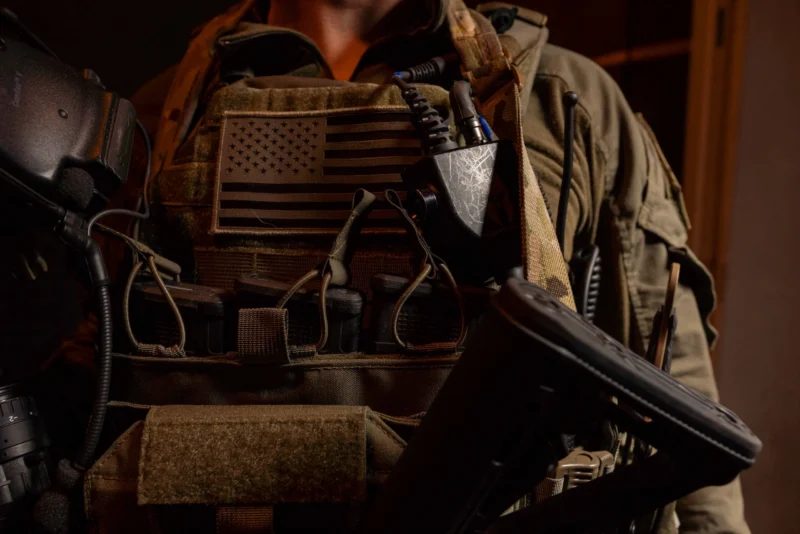
When lives are on the line, the material between you and a high-velocity rifle round is not a detail it is the decision. Across modern military operations, ceramic body armor plates have become the dominant choice for service members, special operators, and tactical professionals. Lighter than steel, engineered to defeat armor-piercing threats, and built to reduce the physical toll of extended missions, ceramic plates represent the evolution of personal protection in high-threat environments. This guide breaks down exactly why ceramic armor plates have earned their place as the standard for military use and what you need to know before selecting your next set of plates.
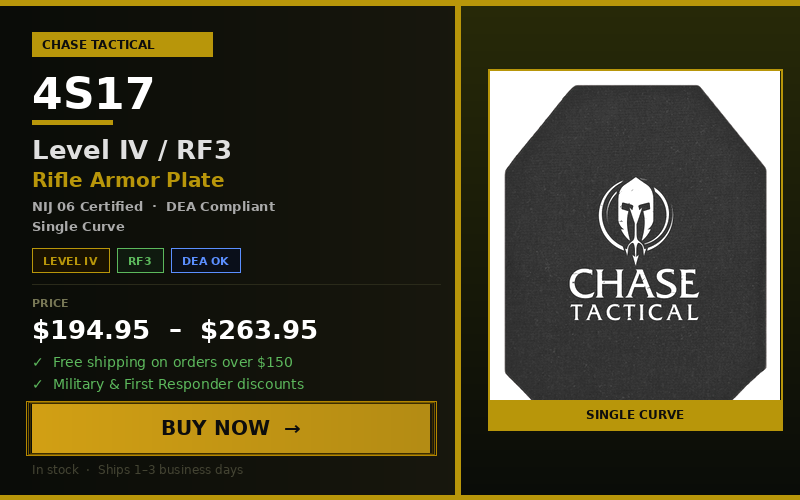
What Makes Ceramic Armor Plates Different?
Ceramic armor plates are constructed from ultra-hard materials, most commonly boron carbide or silicon carbide, and are bonded to a backing layer of polyethylene or aramid fiber. This two-layer system is what gives ceramic plates their edge.
When a rifle round strikes the ceramic strike face, the ceramic shatters and, in doing so, it destroys the bullet’s structural integrity. The backing material then captures and distributes the remaining energy, dramatically reducing the force transmitted to the wearer’s body. The result is a plate that stops armor-piercing threats while keeping backface deformation (the denting effect that can cause blunt trauma) within safe limits established by the National Institute of Justice (NIJ).
This is fundamentally different from how steel armor works. Steel deforms the bullet rather than destroying it, which can still result in significant blunt force to the chest and, without proper anti-spall coatings, dangerous fragmentation. For a full side-by-side breakdown, see the Chase Tactical comparison of ceramic vs. steel plates.
NIJ Certification and What Level IV Actually Means
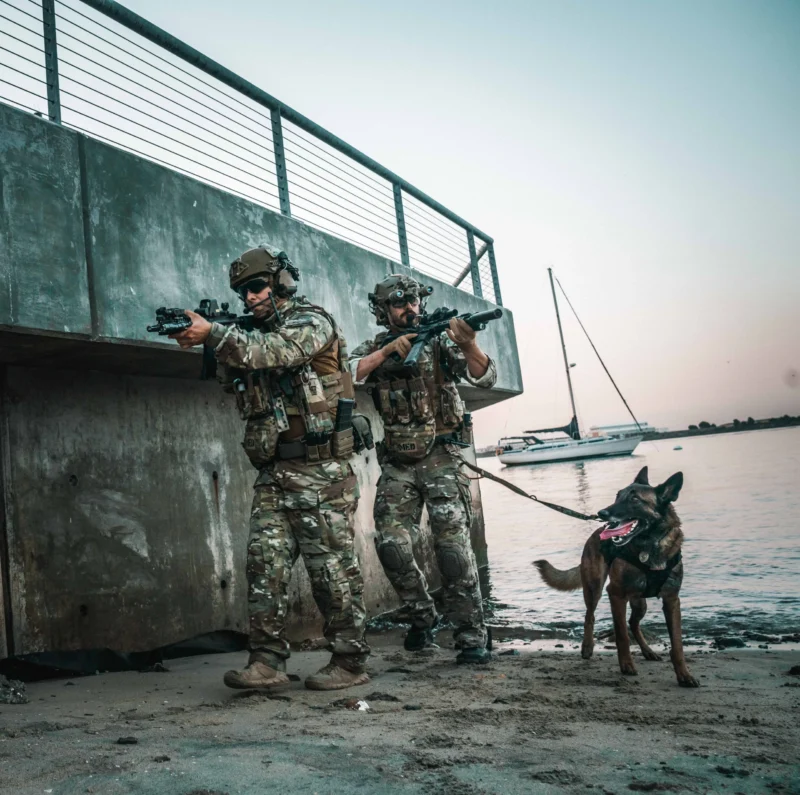
Before diving into material science, it is critical to understand how armor is tested and rated. The NIJ is the U.S. government’s primary certifying body for ballistic-resistant body armor. Their standards define what each protection level must stop in controlled testing.
NIJ Level IV is the highest rating available for hard armor plates. To achieve Level IV certification, a plate must stop a single .30-06 M2 AP (armor-piercing) round, a threat that would defeat most lower-rated armor. This is the rating most sought after by military personnel and law enforcement in high-threat environments.
NIJ-certified plates appear on the Compliant Products List (CPL), meaning they have undergone independent third-party testing and passed. When sourcing ceramic plates for military or tactical use, always verify that the plates you’re purchasing are listed on the NIJ CPL. Chase Tactical’s 4S17 Level IV Rifle Armor Plates meet this standard.
For a complete overview of how armor ratings work from Level IIA through Level IV, visit the Chase Tactical Body Armor Levels guide.
The Weight Advantage: Why Grams Become Pounds on Long Patrols
The U.S. Army Research Laboratory has studied the effect of load carriage on soldier performance for decades. The consistent finding: excessive load degrades speed, accuracy, and decision-making, with effects compounding over hours and days in the field.
Ceramic plates typically weigh between 4 and 7 pounds. Steel plates of equivalent size routinely weigh between 6 and 10 pounds. On a front-and-back configuration, that difference can be 4–6 pounds of total system weight. Over the course of a 12-hour patrol, that weight is not abstract; it translates into:
- Slower movement under contact
- Increased fatigue affecting trigger control and situational awareness
- Greater long-term wear on joints, particularly knees and lumbar spine
- Reduced ability to don and doff armor quickly when circumstances change
For military users, ceramic plates are not a comfort preference; they are a tactical advantage. The lighter the armor system, the more capacity remains for ammunition, water, medical supplies, and mission-essential equipment.
Multi-Hit Performance: Modern Ceramics Are Tougher Than You Think
One persistent misconception about ceramic armor is that a single hit renders the plate useless. This was a valid concern with first-generation ceramic plates, but modern manufacturing has fundamentally changed the equation.
Today’s high-quality ceramic plates, including Chase Tactical’s 4S17 Level IV Rifle Armor Plates, are engineered to withstand multiple hits. The ceramic fracture pattern is localized, meaning an impact in one zone does not compromise the plate’s integrity across the entire strike face. While NIJ Level IV testing only requires a single AP round stop, many modern plates are tested by manufacturers well beyond that threshold.
The practical guidance for military users: after any confirmed impact, treat the plate as potentially compromised and replace it as soon as operationally feasible. That said, the fear that a single round disables a ceramic plate entirely is outdated.
Spall and Fragmentation: A Critical Safety Factor
One of the least-discussed but most consequential differences between ceramic and steel armor is spall behavior.
When a bullet strikes a steel plate, it shatters, sending high-velocity fragments outward and upward toward unprotected areas, including the neck, jaw, and arms. This phenomenon, called spalling, requires steel plate users to invest in additional anti-spall coatings or spall liners, adding cost, weight, and complexity to the armor system.
Ceramic plates do not produce this hazard in the same way. The ceramic and bullet material break apart together, and the backing layer captures the debris. The threat of fragmentation injury to the wearer is dramatically lower with ceramic armor — a meaningful advantage in close-quarters environments where the margin between life and death is already narrow.
The U.S. Department of Defense’s own procurement standards reflect this preference, with ceramic plates forming the basis of the Interceptor Body Armor system and its successors.
Pairing Your Ceramic Plates With the Right Carrier
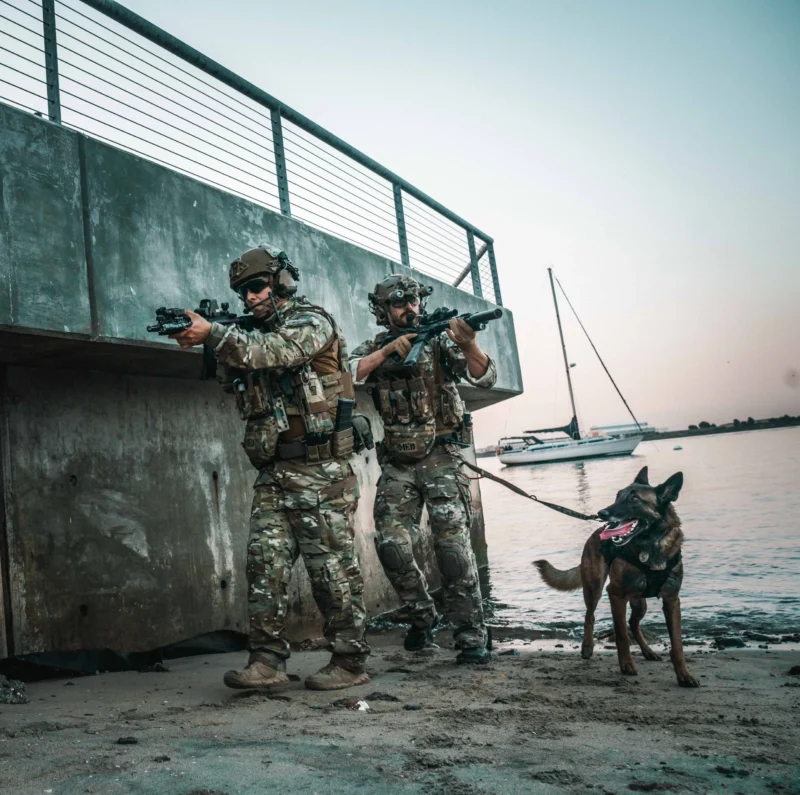
Ceramic plates are only as effective as the system they’re worn in. A high-quality plate carrier ensures proper positioning over vital organs, secure retention under movement, and compatibility with additional pouches and gear.
Chase Tactical offers a full line of plate carriers designed to accommodate hard armor plates of varying thicknesses, including Level IV ceramics. Key features to look for in a military-grade plate carrier include:
- MOLLE/PALS webbing for modular accessory attachment
- Cummerbund compatibility for side panel integration
- Drag handle for casualty evacuation
- Adjustable shoulder and cummerbund straps for a secure, repeatable fit
If you’re operating in an active shooter response role, Chase Tactical’s Active Shooter Kits bundle armor plates with carrier systems optimized for rapid deployment.
Ceramic Plates Across Military Branches: A Consistent Choice
The preference for ceramic armor is not limited to one branch or specialty. Across the U.S. military:
- Army infantry units rely on ceramic plates as part of the Modular Scalable Vest (MSV) system
- Marine Corps units deploy ceramic Enhanced Small Arms Protective Insert (ESAPI) plates
- Special Operations Forces frequently select lightweight ceramic plates to preserve mobility during direct action and reconnaissance missions
- Air Force and Navy personnel in combat roles use ceramic-based hard armor for both ground operations and force protection duties
For a detailed look at the armor and carrier systems used by U.S. Army units specifically, see the Chase Tactical guide on what plate carrier the Army uses.
Maintenance and Storage: Maximizing Plate Lifespan
Ceramic plates do not have an expiration date when properly manufactured and stored. However, they are more sensitive to handling than steel. To maximize the service life of your ceramic plates:
Do:
- Store plates flat or in a padded carrier
- Inspect the strike face and edges regularly for visible cracks or chips
- Keep plates dry and away from prolonged UV exposure
- Follow manufacturer guidance on warranty and replacement timelines
Avoid:
- Dropping plates onto hard surfaces from a height
- Storing plates under heavy compressive loads
- Using a plate that has sustained a confirmed ballistic impact without inspection
Chase Tactical backs its products with a clear warranty policy. Review it before purchase to understand the coverage for your specific plates and carrier.
Who Should Choose Ceramic Plates?
Ceramic body armor plates are the right choice for the vast majority of military and tactical users. Specifically:
- Active duty military personnel who require the weight savings and spall safety of ceramic for combat operations
- Law enforcement in high-threat environments that need Level IV protection with enough mobility to respond effectively
- Security contractors operating in conflict zones where armor-piercing threats are a realistic risk
- Tactical operators who demand the best combination of protection, weight, and wearability, their mission allows them
If you are in any of these categories, do not compromise on the level of protection or the material. The performance delta between a properly rated ceramic plate and alternatives is not marginal it can be the difference between a round stopped and a round through.
Equip yourself with the Chase Tactical 4S17 Level IV Ceramic Plate
Conclusion: Ceramic Is the Clear Choice for Military-Grade Protection
The evidence is consistent across weight testing, fragmentation analysis, real-world deployment, and procurement decisions at the highest levels of the U.S. military: ceramic body armor plates are the gold standard for personnel who face genuine rifle-caliber threats.
They are lighter than steel, which means better mobility and less fatigue over the course of a mission. They eliminate the spall hazard that makes bare steel plates a liability in tight spaces. They meet NIJ Level IV standards, the highest rating available, and modern manufacturing has resolved the multi-hit concerns that once gave some operators pause.
No armor system is perfect, and every user’s mission profile is different. But if you are selecting plates for military use, law enforcement in high-threat environments, or any scenario where an armor-piercing round is a realistic threat, ceramic plates are not just a good option, they are the right one.
Chase Tactical’s 4S17 Level IV Rifle Armor Plates are built to this standard. Pair them with a properly fitted plate carrier and you have a system you can trust when it matters most.
Frequently Asked Questions
Are ceramic plates legal for civilians to own?
In most U.S. states, civilians can legally purchase and own Level IV ceramic armor plates. Certain states have restrictions. Always verify the laws in your state before purchasing. Chase Tactical serves both military/law enforcement and lawful civilian purchasers.
How long do ceramic plates last?
When stored and handled correctly, without ballistic impacts, properly manufactured ceramic plates have no expiration date. Inspect them regularly and replace immediately following any confirmed strike.
Can ceramic plates stop multiple hits?
Modern ceramic plates are engineered to withstand multiple impacts, though performance varies by brand, round type, and impact location. NIJ Level IV certification requires stopping one .30-06 AP round; manufacturer testing may go beyond that. Do not rely on a plate that has been struck without professional inspection.
What size ceramic plate do I need?
The most common sizing for military and law enforcement is the SAPI (Small Arms Protective Insert) standard: 10″x12″ for a medium build. Plate sizing should cover the vital zone of your torso. Consult Chase Tactical’s sizing guidance or contact the team directly for fit recommendations.