








Why Ballistic Plate Materials Matter for Tactical Gear

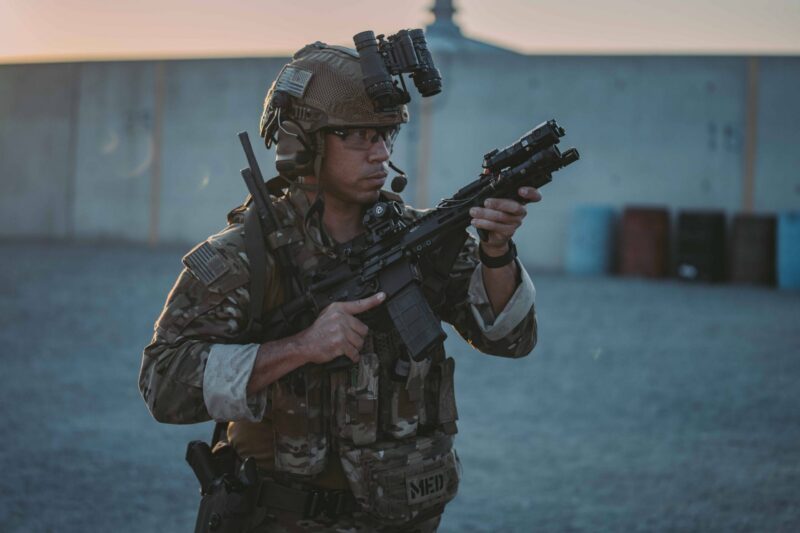
When selecting tactical gear, the material of ballistic plates is a vital consideration. It directly affects your protection, mobility, and performance in dangerous situations. Whether you face armor-piercing threats or need lightweight options for enhanced movement, the right material choice is key. Deciding between ceramic, steel, or polyethylene can make all the difference in your safety and effectiveness.
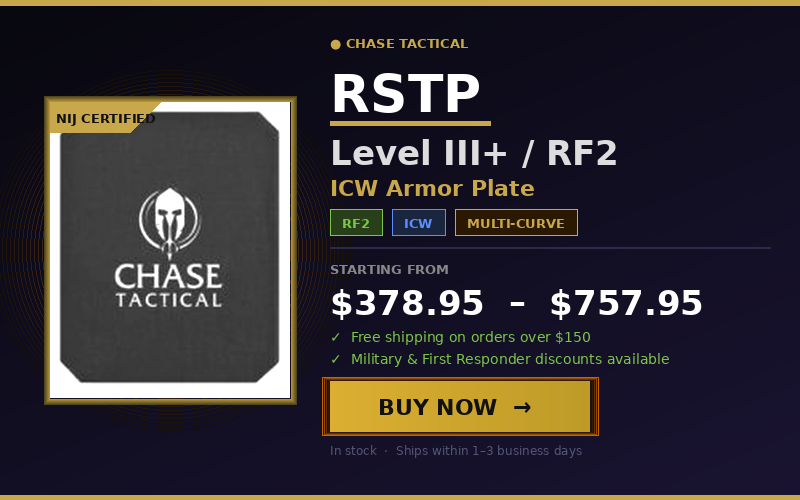
Looking for proven protection with advanced materials? Our CT-RSTP Level III RF2 ICW Armor Plate combines cutting-edge material engineering with NIJ-certified protection, delivering the perfect balance of weight, durability, and threat defense discussed throughout this guide.
Understanding Ballistic Plate Materials
Ceramic Materials
Boron carbide offers exceptional hardness and is incredibly lightweight, making it ideal for stopping high-velocity projectiles. However, its brittleness limits multi-hit performance.
Silicon carbide boasts high compressive strength but varies in effectiveness against steel and tungsten threats.
Alumina, while denser, provides affordable protection with better multi-hit capability.
Backing Materials
Kevlar absorbs energy efficiently and prevents fragment penetration.
UHMWPE (ultra-high-molecular-weight polyethylene) deforms to catch fragments, offering a high strength-to-weight ratio.
S-glass fiber combines ductility and strength, maintaining structural integrity.
These materials must be carefully paired with specific ceramics to ensure effective bonding and performance, as not all materials are interchangeable. Each material plays a significant role in the overall performance and effectiveness of ballistic plates, impacting both weight and durability.
Protection Levels and Material Composition
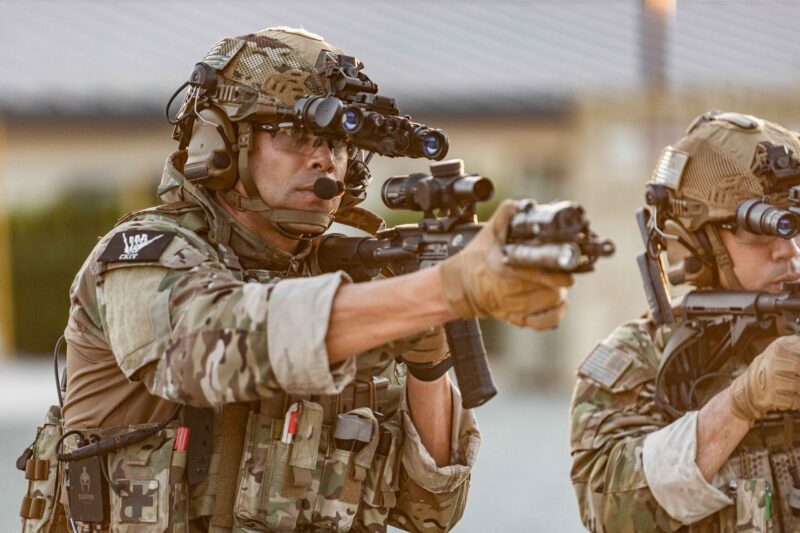
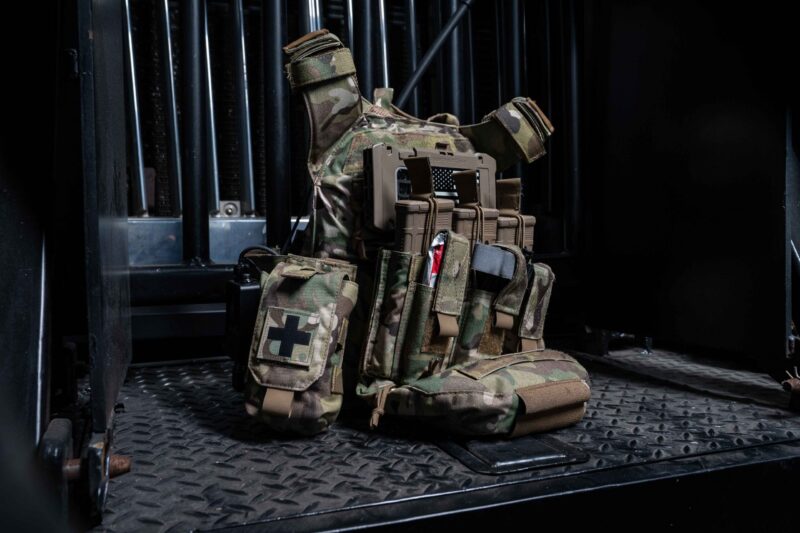
The NIJ Standard 0101.06 categorizes body armor into different ballistic protection levels. For optimal performance, ballistic plates must be paired with high-quality plate carriers that ensure proper weight distribution.
Ceramic’s Armor-Piercing Defense
Ceramic plates meet NIJ Level IV standards, stopping .30-06 M2 AP rounds at military testing velocities. Ceramic’s hard strike face fractures upon impact, dispersing bullet energy and minimizing penetration. This mechanism prevents spallation and reduces blunt-force trauma, making it superior to steel in resisting armor-piercing rounds. Typically, ceramics are combined with polyethylene or aramid backing for enhanced energy absorption. Although ceramic plates are lighter than steel, weighing around 5-6.5 lbs, they require careful handling to avoid invisible cracks. Designed for extreme threats, these plates are trusted by professionals worldwide for their reliable protection.
Polyethylene’s Multi-Bullet Resistance
Despite its lightweight nature, UHMWPE offers impressive ballistic protection. Its standout feature is multi-bullet resistance. When a projectile hits, UHMWPE’s fibers stretch and realign, dispersing energy. The bullet partially melts the polyethylene, but subsequent layers prevent further melting, maintaining integrity without spalling or fragmentation. This material excels in handling repeated high-velocity impacts, keeping back-face deformation under 44mm per NIJ standards. For those seeking maximum mobility, lightweight body armor with polyethylene plates offers the best balance.
Key Benefits:
- Multi-hit capability sustains effectiveness over multiple impacts
- No spalling prevents dangerous ricochets and fragmentation
- High-velocity resistance protects against rifle and handgun threats
- Water resistance makes it suitable for wet environments
Weighing the Options: Material Comparison
Steel Plates
Weighing 8-10 pounds, they’re durable and budget-friendly (starting at $120 per plate) but significantly reduce mobility and increase fatigue over time. They offer excellent multi-hit capability and a shelf life of 15-20 years, though they require additional anti-spall coatings.
Ceramic Plates
At 5-7 pounds, they offer superior protection against armor-piercing threats and a good protection-to-weight ratio. However, they’re more expensive (starting at $500) and often fail after one hit, making them less durable for repeated use. Explore our selection of ceramic body armor for high-threat protection.
Polyethylene (UHMWPE) Plates
Lightest at 2-4 pounds, they minimize mobility restrictions and are ideal for operations needing agility. Costing between $300 and $800, they’re multi-hit-capable and highly durable, effectively absorbing energy without degrading. However, they have low heat resistance, which is a consideration in extreme temperature environments.
Energy Absorption and Safety
Material Composition: Ceramic materials like TZA and silicon carbide absorb bullet impact through their hardness, while Kevlar fibers absorb heat energy effectively due to their high thermal expansion coefficient.
Layer Arrangement: The sequence of materials significantly impacts energy dissipation. Hybrid plates with carbon fiber and Kevlar layers achieve superior absorption.
Heat Management: Friction converts kinetic energy into thermal energy. Kevlar’s thermal properties support efficient deformation and heat distribution.
Multi-Layer Designs: Layered configurations absorb energy faster and more effectively than single plates, enhancing overall safety and stability.
Hybrid Configurations: Balancing Strength and Weight
- Weight Reduction: Hybrid plates can weigh as little as 3.9 lbs, making them ideal for extended missions without fatigue.
- Enhanced Protection: Achieve multi-hit capability with ceramic-UHMWPE designs that stop rounds like the .30-06 M2 AP.
- Durability: These hybrids resist cracking from repeated impacts, unlike traditional ceramics.
- Versatility: Hybrid vests accommodate a range of plate sizes, ensuring a snug fit for both covert and overt operations.
Strategic Selection Based on Threat Assessment

Budget-friendly steel plates provide robust multi-hit capability against common rifle threats but might burden you with their weight. Lighter polyethylene plates enhance agility while effectively stopping non-armor-piercing threats. Consider our law enforcement body armor options for tactical mobility.
For High-Threat Military Operations
Ceramic plates, like silicon carbide, offer superior protection against armor-piercing rounds despite their single-hit limitation. Browse our military-grade body armor for maximum protection.
Environmental Considerations
Steel’s spall risk demands coatings, while ceramics require careful handling due to brittleness. Balancing these factors ensures your gear performs at its best against assessed threats. Learn more about choosing the right body armor for your specific situation.
Conclusion
When choosing ballistic plates for your tactical gear, remember that the right material can make all the difference in safety and performance. Consider the protection level you need and how the weight affects your mobility. Balancing cost with quality is vital, as is ensuring durability in real-world situations. Whether you’re in the military, law enforcement, or a civilian, carefully assess your threat environment to select the best configuration for maximum protection and operational effectiveness. Explore our complete collection of body armor solutions to find the perfect protection for your needs.
Frequently Asked Questions
What is the best ballistic plate material for civilians?
For most civilians, polyethylene (UHMWPE) plates offer the best balance of protection, weight, and comfort for everyday carry. They’re lighter than steel, more durable than ceramic for multi-hit scenarios, and provide excellent protection against common handgun and rifle threats. However, if budget is your primary concern and you don’t mind the extra weight, steel plates are a cost-effective option. Check out our civilian body armor collection for suitable options.
How long do ballistic plates last?
The lifespan varies by material. Steel plates can last 15-20 years with proper maintenance and storage. Polyethylene plates typically have a 5-7 year warranty from manufacturers, though they may last longer if stored properly. Ceramic plates also have a 5-7 year shelf life, but should be replaced immediately after any impact, even if no visible damage is apparent.
Can ballistic plates be used after being dropped?
This depends on the material. Steel plates are highly resistant to drops and can typically continue to be used. However, ceramic plates should be thoroughly inspected after any drop, as internal cracks may compromise their protective capability even without visible damage. Polyethylene plates are more forgiving than ceramic but should still be inspected. When in doubt, replace the plate to ensure your safety.
Do I need Level IV protection, or is Level III sufficient?
Level III plates stop most common rifle threats, including 7.62mm FMJ rounds, and are sufficient for most law enforcement and civilian applications. Level IV plates are designed for military operations where armor-piercing threats are expected. Unless you anticipate facing armor-piercing ammunition, Level III plates provide adequate protection while being lighter and more affordable. Learn more about NIJ protection levels to make an informed decision.
How should I store ballistic plates to maximize their lifespan?
Store your plates in a cool, dry environment away from direct sunlight and extreme temperatures. Keep them flat or standing vertically to prevent warping. Avoid placing heavy objects on top of them. For ceramic plates, use padded storage to prevent accidental impacts. Regularly inspect all plates for signs of damage, delamination, or degradation, and follow the manufacturer’s specific storage recommendations.