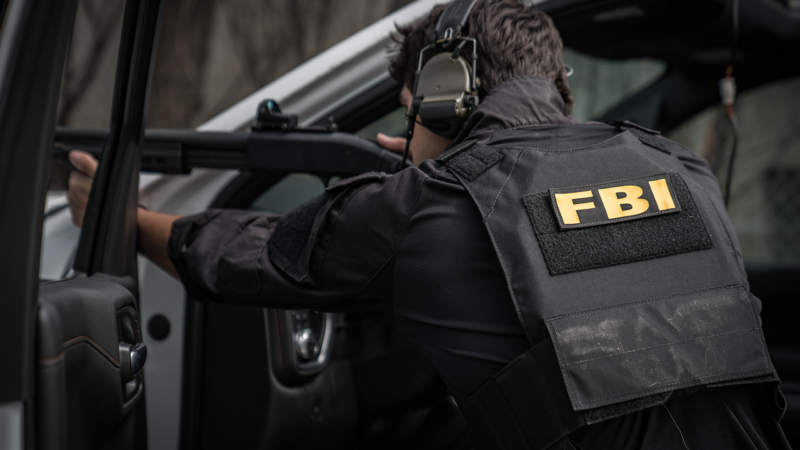








What is Soft Body Armor?

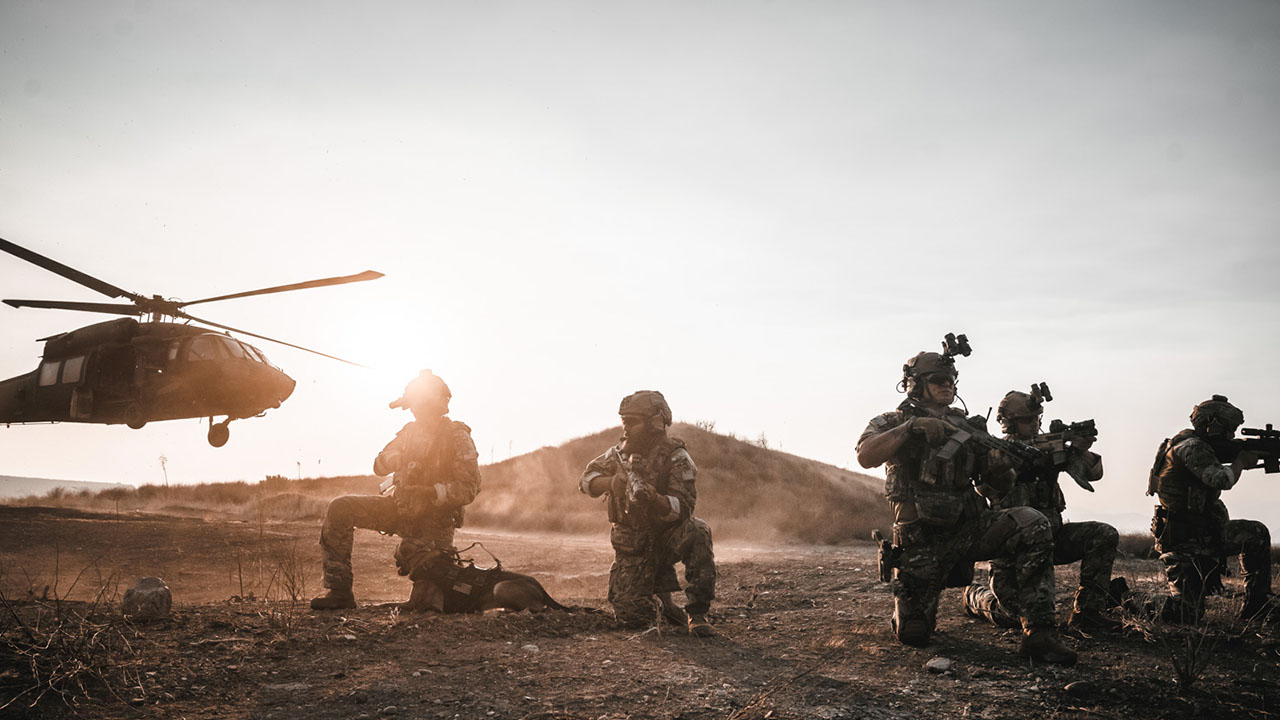
Soft Body Armor can provide Great Protection and Comfort.
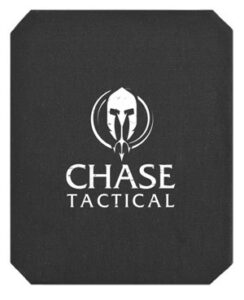
What is Soft Body Armor?
Soft body armor refers to a type of protective gear designed to safeguard the wearer from various threats, including projectiles, fragments, and sharp objects. Unlike its rigid counterpart, hard body armor, soft body armor is flexible, lightweight, and offers enhanced mobility.
Soft body armor essentially consists of multiple layers of specially designed materials, such as ballistic fibers, woven fabrics, and laminates, which work together to absorb and disperse the impact energy of incoming projectiles or objects.
By distributing the force over a larger area, soft body armor vests significantly reduce the risk of injury while ensuring the wearer’s comfort during prolonged use.
What Can Soft Body Armor Stop?
Soft body armor, crafted from advanced materials like Kevlar and Dyneema, offers reliable protection for civilians, police, and others looking to enhance their safety against various weapons. Certified according to NIJ (National Institute of Justice) standards, soft body armor is rated to stop specific types of ammunition, making it a crucial component in personal protective gear.
NIJ standards classify body armor based on its ability to stop different handgun rounds and other threats. For instance, Level IIIA soft body armor, with its ability to protect against higher-velocity handgun rounds, some lower-velocity shotgun rounds, and even knives to some extent, offers a versatile and adaptable option for various users, from civilians to law enforcement.
Here's a breakdown of what Level IIIA soft body armor can stop:
- 9mm
- .40, .45, .44 Magnum
- 12 gauge buckshot and slug
- Liberty Civil Defense 9mm
- FN 5.7×28 (SS197SR)
Benefits of Soft Body Armor
Body armor offers a range of benefits that make it a preferred choice for individuals in need of reliable personal protection. Let’s explore some of these advantages:
1. Enhanced Comfort and Mobility
Soft body armor’s flexible and lightweight construction allows for ease of movement, ensuring that the wearer can perform their duties or navigate their environment without feeling encumbered.
This level of comfort is particularly important for law enforcement officers, who often find themselves in physically demanding situations that require swift responses and agility.
2. Discreet and Concealable
Soft body armor is designed to be discreet and easily concealable under clothing, making it suitable for covert operations or situations where maintaining a low profile is crucial. Its slim profile and ability to conform to the body’s contours ensure that it remains inconspicuous while providing the necessary protection.
3. Versatility in Threat Protection
Soft body armor is highly effective against a range of threats, including handguns, shrapnel, and stabbing or slashing attacks. Its multi-layered composition and specialized materials are capable of absorbing and dispersing the impact energy from different types of projectiles, reducing the risk of injury.
4. Extended Wearability
Due to its lightweight nature and comfortable design, soft body armor can be worn for extended periods without causing significant discomfort or fatigue. This is especially important for individuals engaged in long-duration operations or assignments, ensuring they can maintain optimal performance throughout their tasks.
Drawbacks Of Soft Body Armor
While soft body armor is a popular choice among civilians, police, and others for its flexibility and ease of use, certain drawbacks must be considered when selecting this type of product for personal protection goals.
Limited Protection Levels
Soft body armor, typically made from Kevlar or Dyneema, is highly effective against handgun threats and other threats, such as knives. However, it falls short when stopping higher-velocity weapons, such as rifles. This is a crucial difference between soft armor and Level IV body armor plates, which are designed to stop more powerful ammunition. If you're facing threats that include rifle hits, soft body armor may not provide the necessary protection, making it essential to weigh your options carefully.
Vulnerability to Knives and Sharp Weapons
While soft body armor offers excellent protection against 9mm and other handgun rounds, it can be less effective against knives and sharp objects. Although some armor panels are designed to resist stabbing attacks, they may not offer the same level of protection as hard armor plates. This is an important factor to consider, especially for civilians or police who may face threats involving sharp weapons.
How to Choose the Right Soft Body Armor?
When choosing soft body armor, it's essential to understand the difference in protection levels, the sort of ammunition you're most likely to encounter, and the cost involved. While Level IIIA armor offers substantial defense, you might consider Level IV armor panels or body armor plates if you expect to face rifle hits. The price varies depending on the manufacturers, protection levels, and whether the armor meets the latest NIJ standards, but rest assured, there's an option that fits your budget.
Soft body armor protects you against common handgun rounds and other threats. Whether you opt for a standard bulletproof vest or armor inserts, understanding the NIJ standards and the protection levels offered is crucial. No matter your goal, from civilians seeking personal safety to police requiring reliable defense, soft body armor products provide the security you need at a cost that fits your budget.
Conclusion
Soft body armor vest remain the most essential forms of personal protection for military personnel, law enforcement, and civilians alike. Designed for flexibility and comfort, soft body armour offers reliable defense without restricting movement, making it ideal for everyday wear or concealed use. While soft armor is incredibly durable, it’s important to know that soft body armor does expire over time due to material fatigue and environmental factors. Regular inspection and timely replacement ensure maximum safety and performance. Whether you’re seeking comfort, concealability, or proven protection, investing in quality armor ensures you stay prepared and protected when it matters most.
Frequently Asked Questions about Soft Body Armor:
A: Soft body armor is designed to protect against handgun projectiles, and it may not be effective against high-velocity rifle rounds. For rifle protection, specialized armor, such as hard body armor or ceramic plates, is required.
A: Yes, soft body armor is designed to be discreet and easily concealable under clothing. Its slim profile and flexible nature allow it to conform to the body, providing covert protection.